
By Dylan Aiston
Makhanda is facing a water crisis, but the university currently known as Rhodes (UCKAR), along with the Gift of the Givers have a plan. Boreholes have been drilled, with more on the way, to remedy the situation.
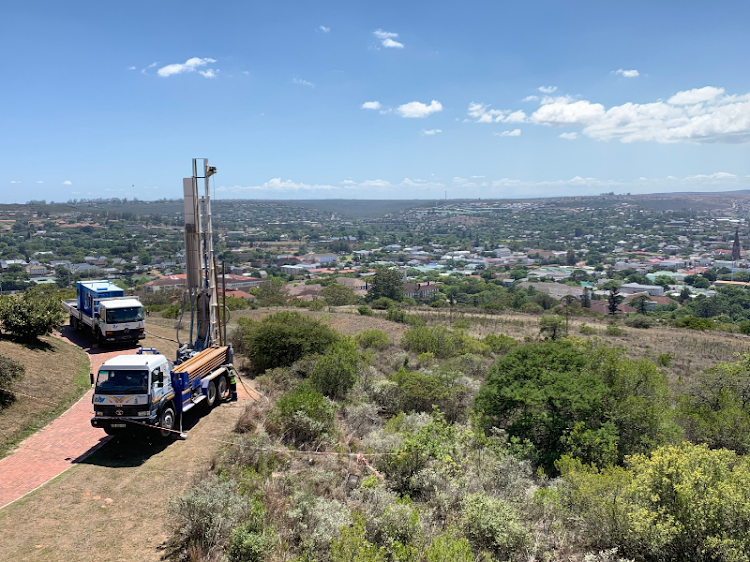
A press conference was held with Dr Jane Tanner, head of hydrology at the UCKAR and Ilva Pieterse, the senior social media manager for the UCKAR in order to discuss the current water crisis. Although there was a lot of discussion around negative topics, Dr Tanner and Pieterse feel the situation is salvageable.
Dr Tanner said that the Gift of the Givers organisation in collaboration with the UCKAR, have installed 13 boreholes and plan on installing seven more. Dr Tanner states, “this has been a result of years of research from the 1980s.” Recently uncovered research has shown that there are over 30 boreholes currently in Makhanda.
The water being pumped from these boreholes is safe to drink. The exception being the water in the area of Riebeek East who are advised to boil their water before consumption. This is according to a report undertaken by the National Health Laboratory Service. Pieterse also states, “the quality of the water is 100% drinkable.” Any report otherwise is misinformation.
These boreholes will not provide a sustainable water resource. It will run out if there is continued overuse. However, Dr Tanner feels the water provided by the boreholes will be sufficient in helping Makhanda through the crisis, or at least long enough until a better infrastructure is implemented. She states it is an “emergency resource.”
Pieterse feels this crisis could have a “long term positive impact” for the residents of Makhanda and the UCKAR. The collaboration will help build a sense of community within Makhanda. This sense of community is one that many people feel is necessary in Makhanda.
The boreholes will be drilled around important locations in Makhanda, such as: the water plant, the 1820 Settlers National Monument and around the UCKAR campus. There are three types of aquifers, geological formations that hold water, found underneath Makhanda. One of them being quartzite. The boreholes will be drilled into to the quartzite as it contains clean, drinkable water.
Makhanda will be better off as a result of the implementations of better infrastructure. The community can only improve from the collaborative effort being put forward. People may be fearing the worst, but Dr Jane Tanner along with Ilva Pieterse feel there is a light at the end of the tunnel.
 Diversity Times