
By Dylan Aiston
The water at the university currently known as Rhodes (UCKAR) has been claimed to be drinkable. However, tests undertaken by environmental representatives indicate otherwise.
A press conference was held on 14 March to discuss the current water crisis affecting Makhanda. During the conference, a question regarding the drinkability of the water at UCKAR was raised. Ilva Pieterse, the senior social media manager for UCKAR, responded by saying, “The water at Rhodes is 100% drinkable.” This response created controversy and for good reason.
Recent water tests undertaken by environmental representatives at UCKAR have shown that the water provided at various dining halls are contaminated and unsafe for human consumption. These tests may have been conducted prior to Pieterse’s statement but the fact that she did not address the tests is considered an issue.
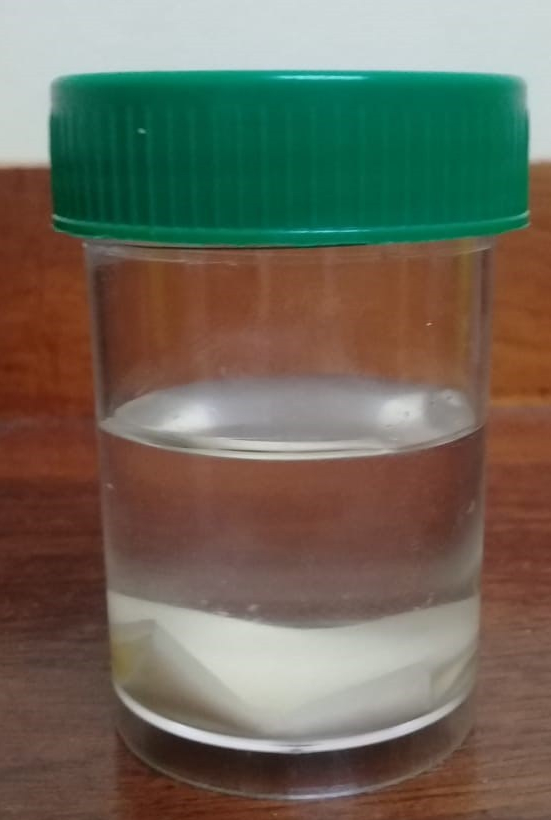
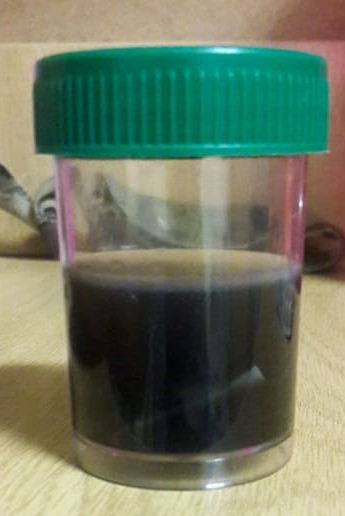
Lwazi Mancam, the environmental representative for the Cullen Bowles Residence at UCKAR, was one of the representatives who took part in the water tests. He responds to Pieterse’s statement by saying, “It is something I totally disagree with.”
Mancam explains that an explanation for the contaminated water comes from the pipes and gutters transporting it. These pipes and gutters have not been properly cleaned, leading to the contamination of the water running through them.
A further reason for the extent of the contamination comes from multiple dining halls relying on a single tank for water provision. If this single tank undergoes contamination, then multiple dining halls will be affected. There will also be no other source of water to rely on.
Contaminated drinking water could lead to various illnesses such as gastrointestinal problems, diarrhea and nausea.
However, Mancam feels that this is can be easily fixed. He suggests the installation of multiple tanks per dining hall or residence. This will allow for a back-up plan in case the contamination of the water is a reoccurring issue. He also suggests a more consistent cleaning of the pipes that deliver the water.
The issue has since been resolved, however, the question of whether this is something that could happen more than once is one that has not yet been answered. And should the issue arise again, will UCKAR decide to admit it?
 Diversity Times